How well do you know the world of UX and UI design for web and mobile application development? It is one of the most discussed topics in the digital design landscape. But what exactly do these terms mean? Dive in to discover the main current trends in UX and UI Design, the ones that most influence the creation of attractive, functional digital products.
UX and UI design: what it is about
UX design (User Experience design) is about creating a pleasant, intuitive experience for the user, focusing mainly on their needs and expectations. UI design (User Interface design), on the other hand, concentrates on the visual side of the interface, creating a design that is attractive and consistent with the brand.
Increasing user satisfaction by guaranteeing an optimal experience is the main goal of every UX and UI designer. If we want to guide a person towards buying a product or a service, we have to make sure that their overall experience on websites or mobile apps is satisfying. Before taking an action, though, the user moves around the web and, only if their browsing is pleasant, practical and efficient, do our hopes of getting a conversion go up.
To make this happen we use UX and UI design and choose the trend that will attract our target audience the most. Remember: one aspect to keep firmly in mind, besides usability, is aesthetics.
Now let’s look together at the main trends designed to attract users.
UX and UI with a minimalist design
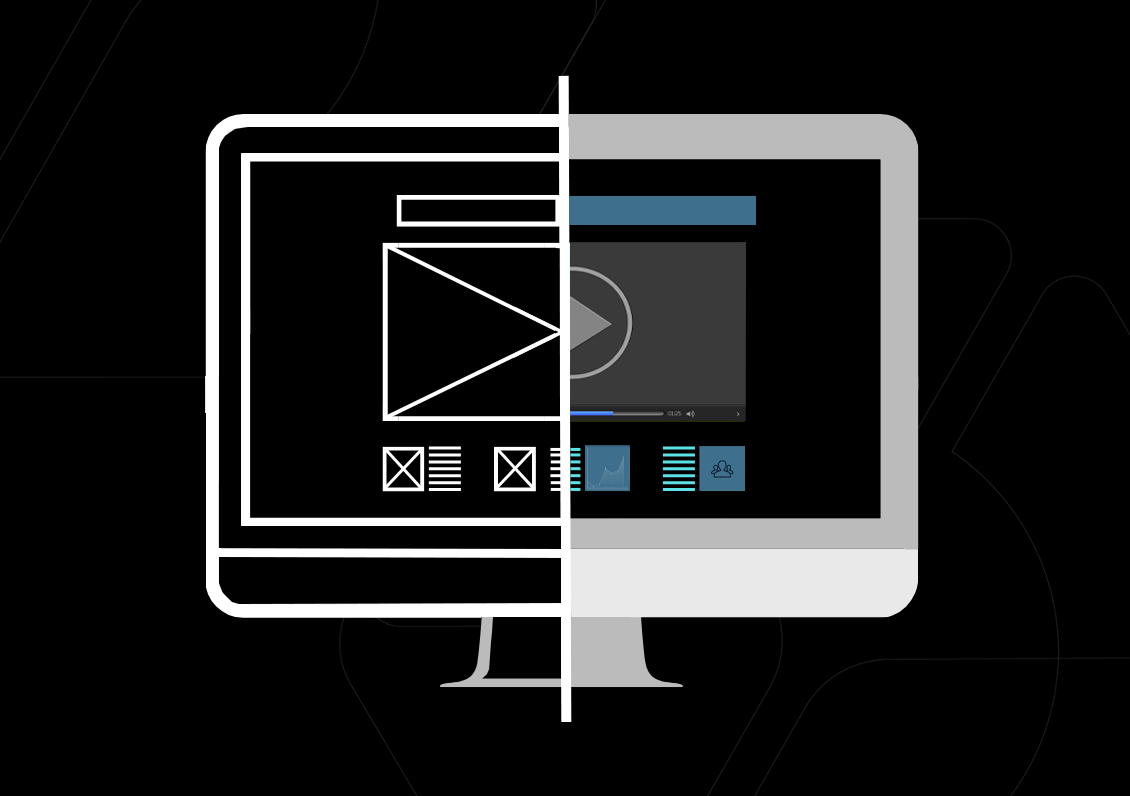
Linear, clean, essential: among the most fashionable trends of recent years there is certainly minimalist design. Characterised by neutral colours, simple fonts and clear, basic icons, this style is hugely popular. Its goal is to create a clean interface that is easy to navigate, with no pointless distractions for the user.
In fact, thanks to minimalist design it is easier to concentrate on the application’s main features, which improves the experience of using it.
A strong visual impact with the dark mode interface
Dark mode has also taken hold in the world of digital design. So-called dark mode, or night mode, is based on inverting the colours of the interface. Thanks to this device, the interface brings the user two main benefits: less eye strain and better readability in poorly lit environments.
A functional advantage of dark mode is that it preserves battery life, while on the aesthetic side dark mode gives the interface a modern, sophisticated look that is becoming more and more popular among designers.
Animations and microinteractions for a more human user experience
Animations and microinteractions have become an essential element of UX and UI design. They are able to improve the user experience, making the interface more dynamic, more engaging and, above all, more human, because they make it possible to create a personalised experience for the user, who feels like an integral part of the application.
What is more, by interacting with elements that appear when they carry out certain operations (such as colours that change depending on the buttons they press), the user will tend to stay longer on the site or app in question.
Responsive design for a UX and a UI that can adapt
Since more and more people shop and browse the web on their smartphones, traffic from mobile devices has increased dramatically: this is why responsive design has become a must for any web or mobile application. This solution lets the interface adapt to different screen sizes, giving the user an optimal experience on any device.
Moreover, since Google rewards sites that offer a mobile-friendly experience, responsive design improves the site’s indexing on search engines.
Voice interface and browsing speed
Voice search is used more and more by users, which is why the voice interface is so fashionable in the world of digital design. You will have turned to virtual assistants such as Alexa or Siri at least once, right?
The voice interface makes it possible to interact with the application without touching the screen, and this is a huge advantage for users with visual or motor disabilities. In general, voice commands let you run searches or activate features more quickly and naturally, halving search times.
Inclusive design for an experience accessible to everyone
Finally, there is one last trend in the world of UX and UI design that is growing in importance and in use: inclusive design, whose primary purpose is to offer an experience that is accessible to all users.
Abilities, cultural background, visual or motor disabilities are no longer an obstacle: thanks to inclusive design, which focuses on high-contrast colours, font size, easy-to-read text and accessibility, all differences are smoothed out.
Examples of digital products that embrace this type of interface make use of multi-sensory channels, such as hearing or different levels of sight, as well as allowing navigation through keyboard controls or the user’s own voice.
Digital interfaces for optimal user experiences
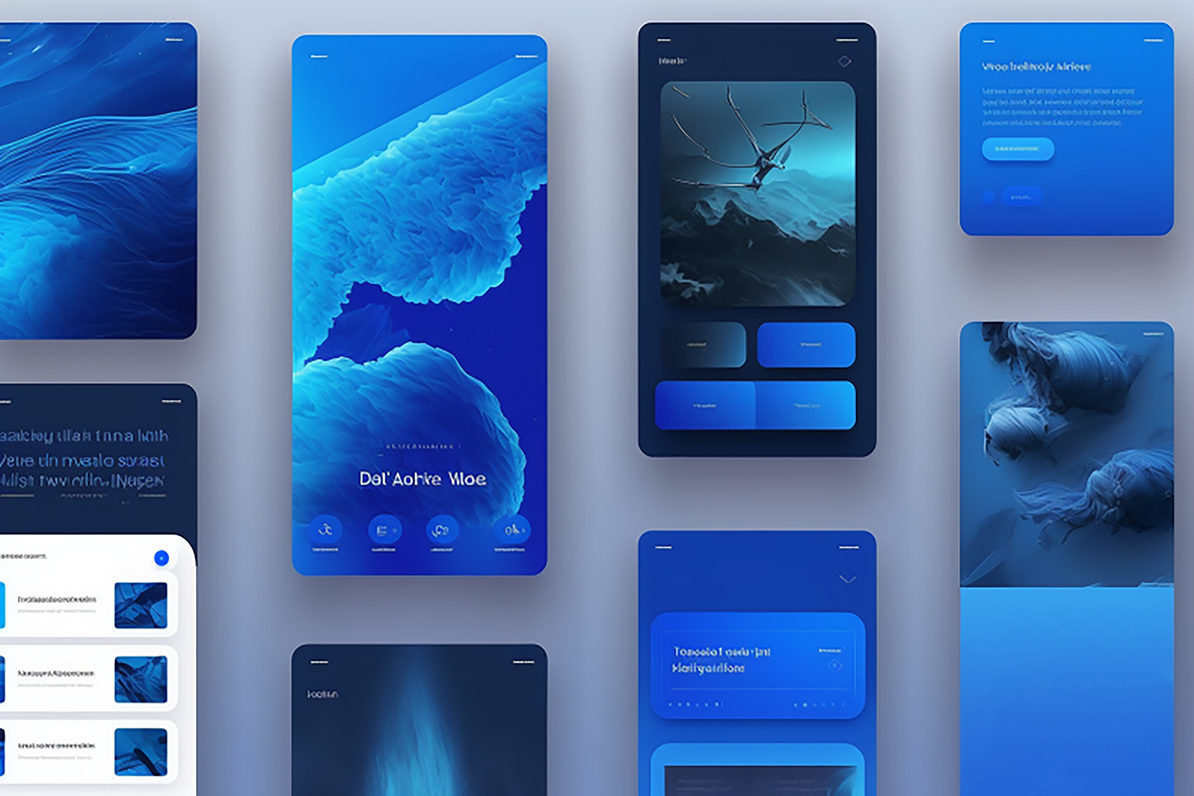
The varied universe of UX and UI design is constantly evolving, and the trends we have mentioned are only some of the elements influencing the creation of web and mobile applications. It is a discipline that is continually being updated and that brings to market new ideas designed to meet users’ ever-changing needs.
Even though the possible interfaces are many and varied, their goal is always the same: to guarantee a pleasant, intuitive experience for everyone.
Precisely to meet this need, at dotenv we develop solutions with particular attention to UX and UI design, able to respond in the best way to users’ different needs.